Pedal Power thanks Leon Arundell for his contribrution to this page
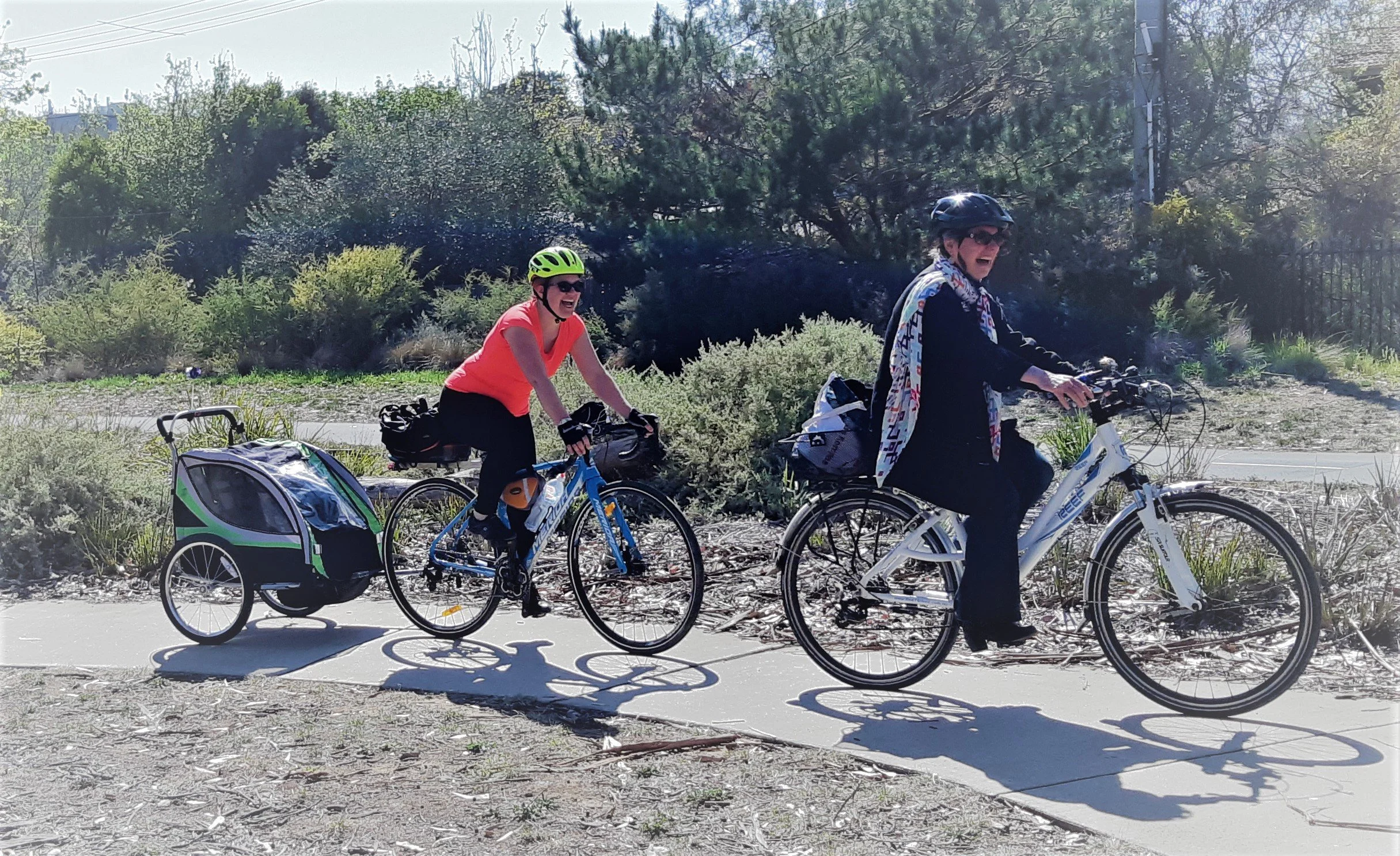
Pedal Power’s guide to buying a bike
Find the bike that fits your life.
The right bike is not necessarily the lightest, fastest or most expensive. It is the one that feels comfortable, suits the trips you want to make and is practical enough to use often.
Before you shop
Start with the rides you want to make.
Will I ride for transport, fitness, fun or a mix of all three?
How far and how often do I expect to ride?
Will I use sealed roads, paths, gravel or trails?
Do I want to carry groceries, work gear or children?
Do I need to lift, fold or store the bike in a small space?
Would electric assistance help me ride more often?
Plan the whole purchase
Your budget is more than the bike.
Set aside room for the equipment that makes your bike safe, secure and useful. A lower-priced bike can become expensive if it immediately needs tyres, a service and accessories.
Common bike types
Different bikes make different trips easier.
Think about versatility first. A bike that works well for most of your real trips will usually be more useful than a highly specialised bike.
 01
01
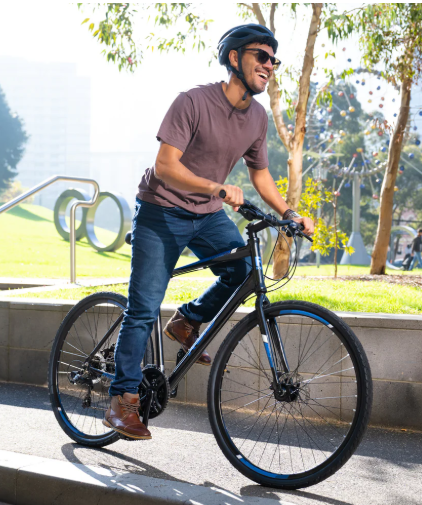
Hybrid bikes
A comfortable all-rounder for commuting, shopping and relaxed rides. Flat handlebars and medium-width tyres make hybrids practical for everyday use.
- Good for
- Everyday transport, paths and sealed roads
- Consider
- Less suited to fast road riding or rough trails
 02
02
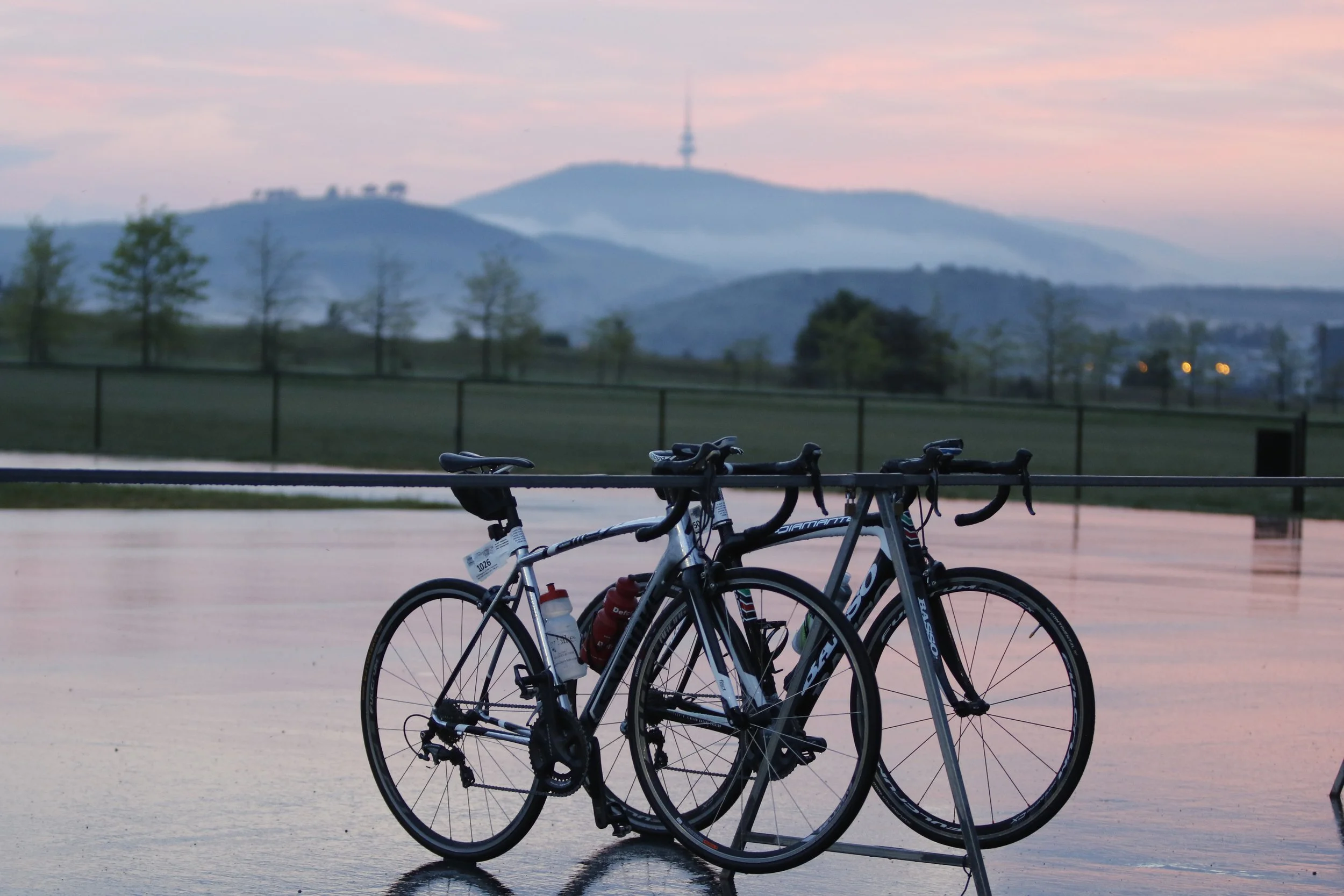
Road bikes
Light and efficient on sealed roads, with narrow tyres and drop handlebars. A strong choice for fitness, longer distances and group riding.
- Good for
- Speed, efficiency and longer road rides
- Consider
- A lower riding position and less carrying capacity
Mountain bikes
Wide tyres, strong frames and often suspension give greater control on dirt, gravel and uneven terrain.
- Good for
- Trails, rough surfaces and off-road riding
- Consider
- Usually heavier and slower on sealed roads
Folding and compact bikes
Smaller wheels and a folding frame make these bikes convenient to store at home, take on public transport or carry while travelling.
- Good for
- Small spaces and mixed-mode travel
- Consider
- Smaller wheels can feel bumps more sharply
 05
05
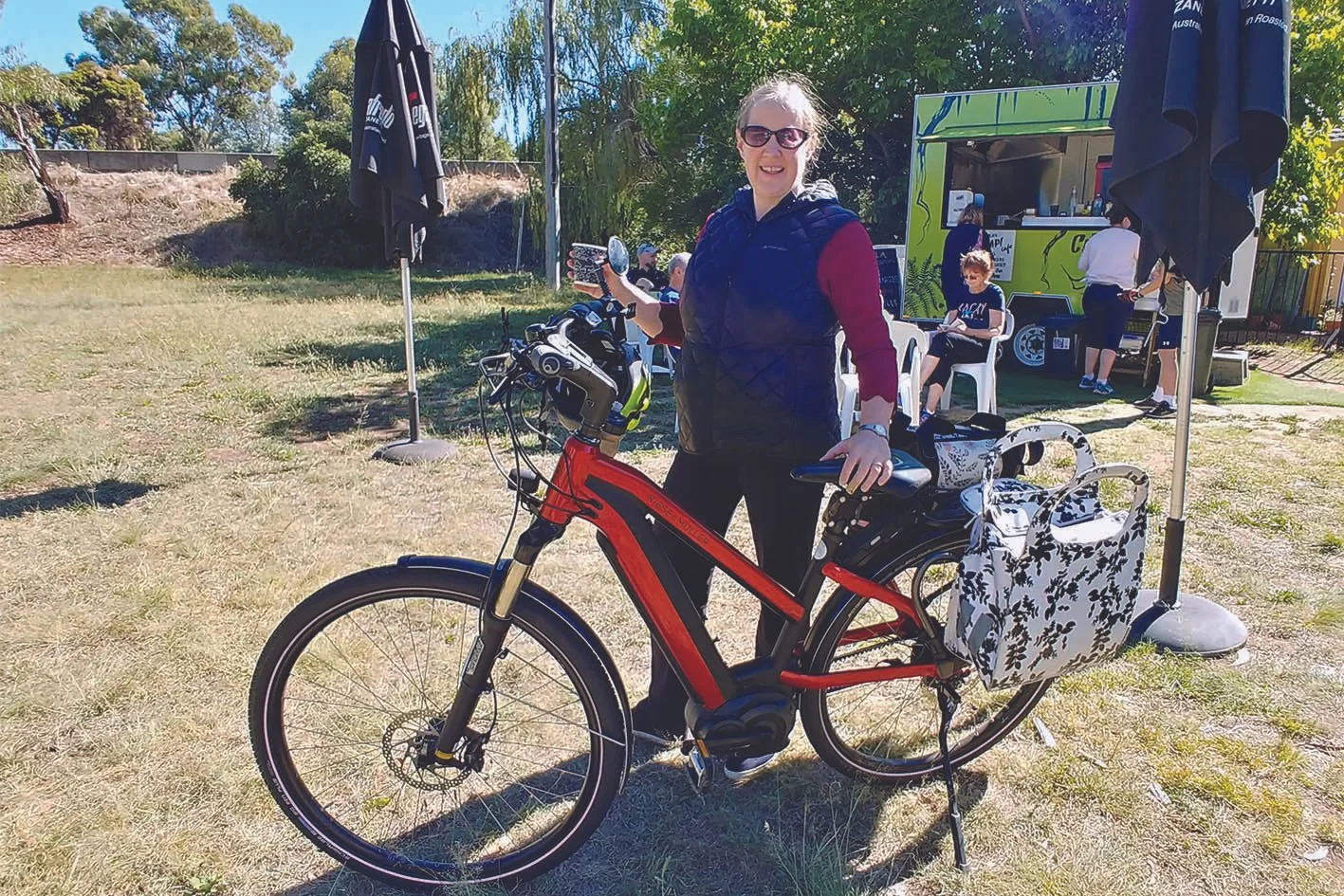
Electric bikes
Pedal assistance can make hills, longer trips and heavier loads more manageable while you still enjoy the movement and freedom of riding.
- Good for
- Longer journeys, hills and frequent transport trips
- Consider
- Higher cost, greater weight and battery care
 06
06
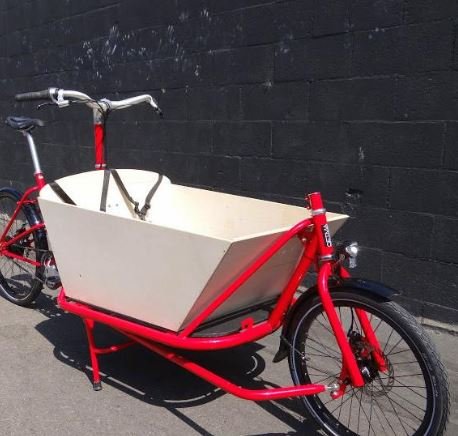
Cargo bikes
Extended frames or front cargo boxes create space for groceries, equipment or children. Electric models can replace many car trips.
- Good for
- Families, larger loads and practical daily travel
- Consider
- Storage space, cost and handling with a load
The comfort test
Always take a proper test ride.
The right size is only the beginning. Check that you can start, stop and steer comfortably, reach the brakes easily and use the gears without strain.
Saddles are personal. A saddle that suits an upright position may not suit a lower road-bike position. Ask whether the shop can help with adjustments or a longer saddle test.
Beyond the bike
Set it up for the way you actually live.
The right accessories turn a bike from weekend equipment into reliable everyday transport.
Safety
- An approved, properly fitted helmet
- A bell for communicating on shared paths
- Front and rear lights for night or low-light riding
- Bright or reflective clothing when visibility is poor
Security
- A quality lock suited to where and how long you park
- A cable or second lock for quick-release wheels
- Your frame serial number recorded and registered
- Removable lights and accessories taken with you
Self-sufficiency
- A spare tube, tyre levers and compact pump
- A track pump with a pressure gauge at home
- Tyres suited to your most common surfaces
- The correct tools if your wheels are not quick-release
Everyday practicality
- A rack, basket or panniers for carrying things safely
- Mudguards for wet roads and paths
- A comfortable saddle matched to your riding position
- A kickstand, bottle cage or e-bike charger if useful
Helmets are mandatory in the ACT. Front and rear lights are required when riding at night or in low-light conditions.
Details that matter
Look past the colour and the price tag.
Ask how the bike will work over time, not only how it feels on the showroom floor.
Tyres and puncture resistance +
Choose tyres for the surfaces you ride most. More puncture-resistant tyres can cost more upfront but may save time and repair costs for regular transport riding.
Ask what tyres are fitted, whether the shop can swap them and what pressure range they require. Check pressure every few weeks with a gauge.
Maintenance and pre-ride checks +
Ask for the recommended service schedule and what a typical service costs. Before buying, read the manufacturer’s pre-ride checklist so you know how much routine checking is expected.
Explore Pedal Power bike maintenance workshops ↗Weight and storage +
A lighter bike may cost more, but weight matters most when you regularly lift the bike onto a rack, carry it upstairs or store it vertically. Practical equipment can be more valuable than saving a small amount of weight.
Gears +
More gears do not automatically mean a better bike. Choose a range that suits Canberra’s hills and a shifting system you find easy to use. Hub gears are enclosed and simple; derailleur systems are common, lighter and offer a wide range.
Brakes +
Most modern brakes are suitable for everyday riding when they are correctly adjusted. Disc brakes continue to work when a wheel is slightly out of true. Rim brakes are simpler but can be less effective when wet and require rim wear to be checked.
Locks and theft resistance +
Choose a lock strong enough for the value of your bike and where you park it. Secure the frame to a fixed object and protect quick-release wheels. Record the frame number as soon as you buy.
Register your bike with BikeLinc ↗Member experience
A note on puncture-resistant tyres.
Pedal Power members have reported strong puncture resistance from tyres including Schwalbe Marathon Plus, Continental 4 Seasons, Schwalbe Marathon and Serfas Seca FPS. Performance varies with tyre pressure, surfaces, load and local conditions, so ask your bike shop what best suits your riding.
Ready to ride?
Choose the bike you will be excited to use.
Whether you ride for transport, fitness or fun, the best next step is a test ride. Pedal Power is here to help you build confidence, learn practical skills and enjoy riding in Canberra.